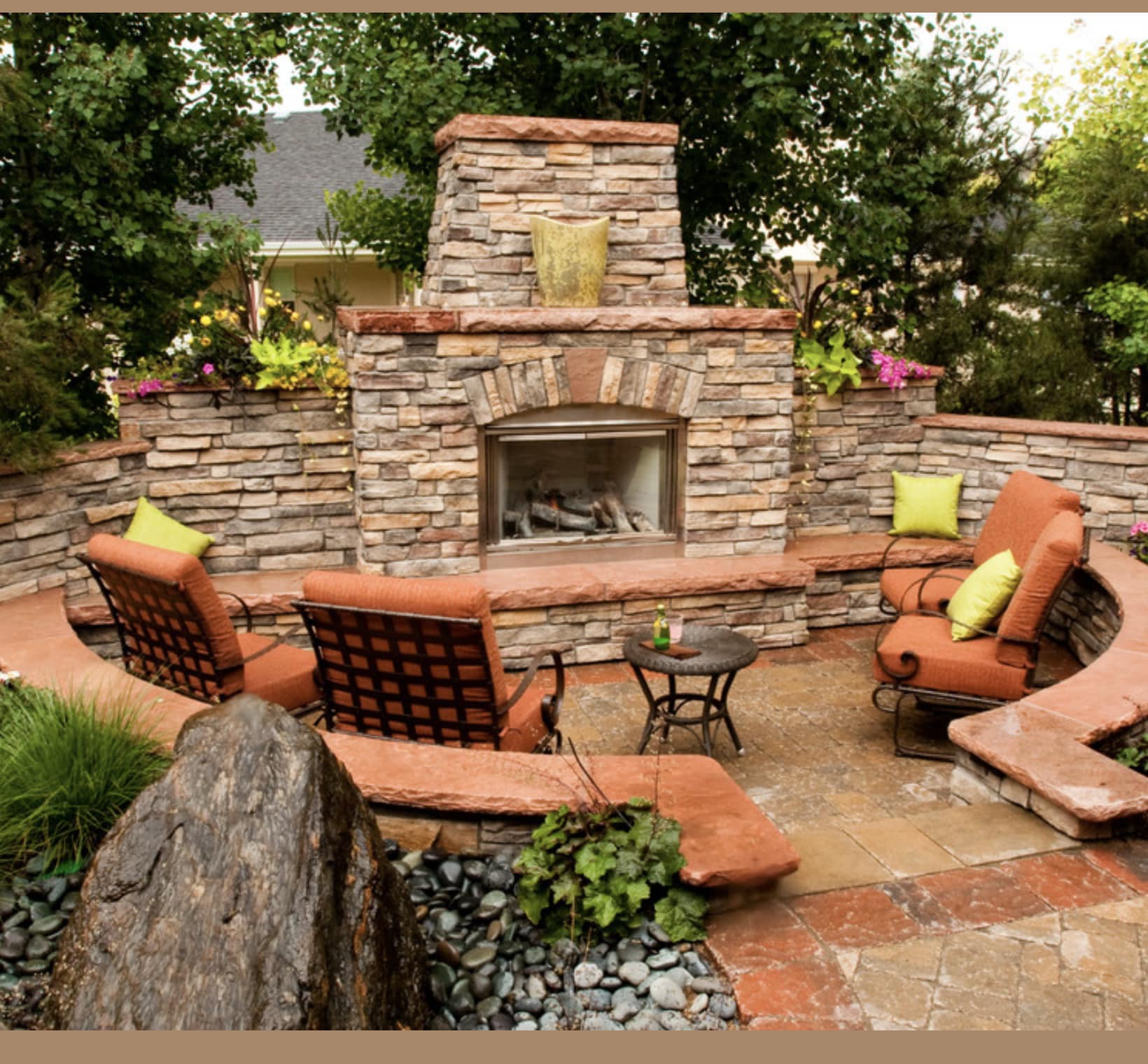
Fireplace Safety First: Common Mistakes and How to Avoid Them Jun 10, 2026
One of the most frequent mistakes is neglecting regular chimney and fireplace inspections. A fireplace's safety is compromised when chimneys are clogged or deteriorating, increasing the risk of chimney fires or carbon monoxide poisoning. Hiring a professional to inspect and clean your chimney annually can prevent these issues. Home Fireplace Pro recommends scheduling an appointment before the peak season to address any potential concerns and ensure your fireplace is in optimal condition.
Next, consider the type of wood you burn. It's a common error to use treated or painted wood, which can release toxic fumes. Instead, only burn seasoned hardwoods, such as oak or maple, which produce less creosote—a by-product that can build up and lead to chimney fires. Using seasoned wood also ensures a cleaner, more efficient burn.
Fireplace screens serve as a crucial safety component but are often overlooked. A screen prevents sparks and embers from escaping into your living space, thus reducing the risk of fire hazard. Ensure your screen fits properly and is in good condition. For households with children or pets, consider using glass doors for added safety, as these provide an additional barrier from the flames.
Ventilation is key when using a fireplace. Proper ventilation ensures that smoke and dangerous gases, like carbon monoxide, exit through the chimney rather than infiltrating your home. Always open the damper before lighting a fire and keep it open until the ashes are cool. Installing carbon monoxide detectors is an extra precaution that could be life-saving in the event of improper ventilation.
Overloading the fireplace is another common mistake that poses serious risks. An overcrowded fireplace can cause smoke to spill into the room or even result in an uncontrolled fire. The firebox should ideally be filled to no more than a third, allowing room for air to circulate and fuel the fire efficiently. Building small, controlled fires not only minimizes risks but also enhances fuel efficiency by burning wood more completely.
Many fireplace users forget about the importance of removing ash regularly. Excess ash can restrict airflow, adversely affecting fire quality and safety. Leaving a one-inch layer of ash is acceptable, as it helps insulate the fire and aids in the ignition process of new fires. However, beyond this, ash buildup should be removed promptly and disposed of safely to prevent accidental fires when lef unchecked.
In summary, maintaining fireplace safety requires regular maintenance and informed practices. By scheduling regular inspections with experts like Home Fireplace Pro, using the right kind of wood, ensuring proper ventilation, and preventing overcrowding, you can enjoy a warm, inviting atmosphere that offers peace of mind. Keep these tips and practices at the forefront of your mind all season long, ensuring that your time by the fire remains both enjoyable and secure.
/filters:no_upscale()/filters:format(webp)/media/37f1ca67-b4e7-4f06-964c-b88706f86ae4.jpeg)